
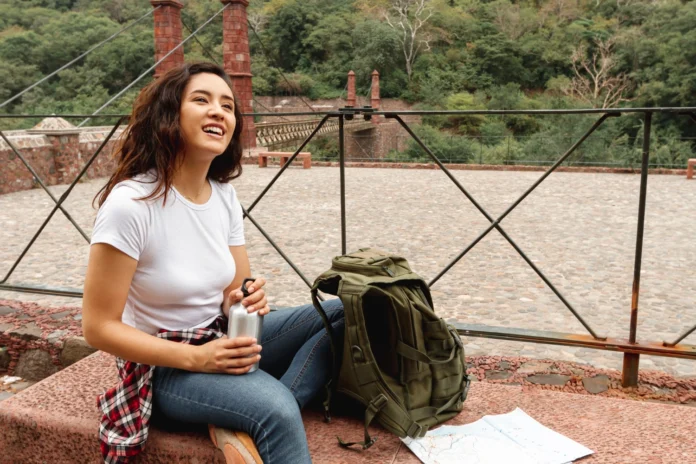


In the pursuit of genuine encounters and unique adventures, a growing number of intrepid travelers are turning away from well-trodden paths toward the lesser-known areas of Europe. These hidden destinations are capturing attention for their unpolished charm and untouched cultural treasures, offering experiences that are increasingly disappearing from the more commercial tourist spots.
Unearthing the rustic charm of Eastern Europe
Eastern Europe stands as an intriguing frontier for those seeking authentic travel experiences. This region, marked by its complex history and emerging cultural renaissance, offers hidden gems that remain undiscovered by the masses. Nations such as Lithuania and the Czech Republic harbor landscapes and traditions that preserve the past while inviting modern exploration. From the secluded beauty of Lithuania’s Curonian Spit to the medieval allure of Český Krumlov, these sites provide a refreshing contrast to Europe’s urban hubs.
Visitors might find themselves strolling through picturesque villages, where the simplicity of life offers a respite from bustling cityscapes. This side of Europe often welcomes guests with open arms and an invitation to partake in local rituals and customs, granting insight into traditions that have survived the test of time. Travelers could wander through vibrant markets or savor regional foods prepared with age-old recipes handed down through generations.
The allure of the Mediterranean’s lesser-known jewels
The Mediterranean, widely known for its sunny shores and azure seas, holds secrets beyond its famous coastal getaways. The understated appeal of places like Albania’s Riviera provides a historic backdrop against the seas that have flavored Mediterranean culture.
Rediscovering the Ionian charm
Albania, often overshadowed by its more illustrious neighbors, harbors stretches of pristine beaches and ancient ruins waiting to be discovered. Its largely unexplored coastline offers history enthusiasts traces of early civilizations amidst the serene backdrop of olive groves and aromatic citrus orchards. The slower pace of life here captivated many who linger to soak in the harmonious blend of nature and tradition.
A Sardinian voyage beyond the beaches
Sardinia, while renowned for its beaches, reveals itself as a treasure trove of cultural and archaeological richness. The island’s diverse landscapes include secluded mountain villages and striking archaeological sites, like the Nuragic ruins, making it a compelling destination for those who desire a deeper understanding of its vibrant past. This contrast between coastal beauty and historical depth transforms Sardinia into a cultural mosaic that captivates those who venture beyond its sands.
The Iberian Peninsula’s undiscovered potential
While Spain and Portugal are celebrated for their traditional tourist attractions, off-the-beaten-path locales on the Iberian Peninsula offer an engaging blend of history, community spirit, and picturesque landscapes. In Spain, the autonomous community of Galicia provides an intriguing mix of green rolling hills and mystical landmarks. This region’s Celtic roots and historical Galician language contribute to its distinct cultural identity.
Meanwhile, Portugal’s Alentejo region stands out with golden plains and whitewashed villages. Here, travelers might find themselves indulging in the simple pleasures of life, savoring locally produced wines from family-run vineyards and exploring ancient cork oak forests. The region’s slow pace allows for spontaneous interactions with locals, enriching the journey with stories and experiences that are as authentic as they are memorable.
Economic implications and travel industry’s response
The shift towards these hidden gems is indicative of a larger change sweeping through the travel industry. As tourists increasingly favor authenticity over commercial appeal, economies in these areas face both opportunities and challenges. Local communities stand to benefit from an infusion of capital and renewed interest in preserving their cultural heritage. This trend, however, calls for a sustainable approach to tourism management to ensure that the very essence that draws visitors is not compromised by growth and commercialization.
Institutions and travel organizations will likely need to develop strategies that promote these destinations while prioritizing sustainability and local involvement. Collaboration with regional governments and industry stakeholders, much like initiatives launched by seasoned bodies such as the UNWTO, Eurostat, and IATA, could foster a balanced approach that mitigates potential economic and environmental impacts.
As more explorers seek genuine adventures, Europe’s hidden destinations present an opportunity to redefine travel. Such a shift challenges old paradigms, opening dialogues on how modern tourism can sustain the vitality and cultural richness of the world’s less traveled paths.